In some countries, brick isn’t just a building material — it’s a cultural preference. Homeowners trust it. Banks finance it more easily. Neighborhoods require it.
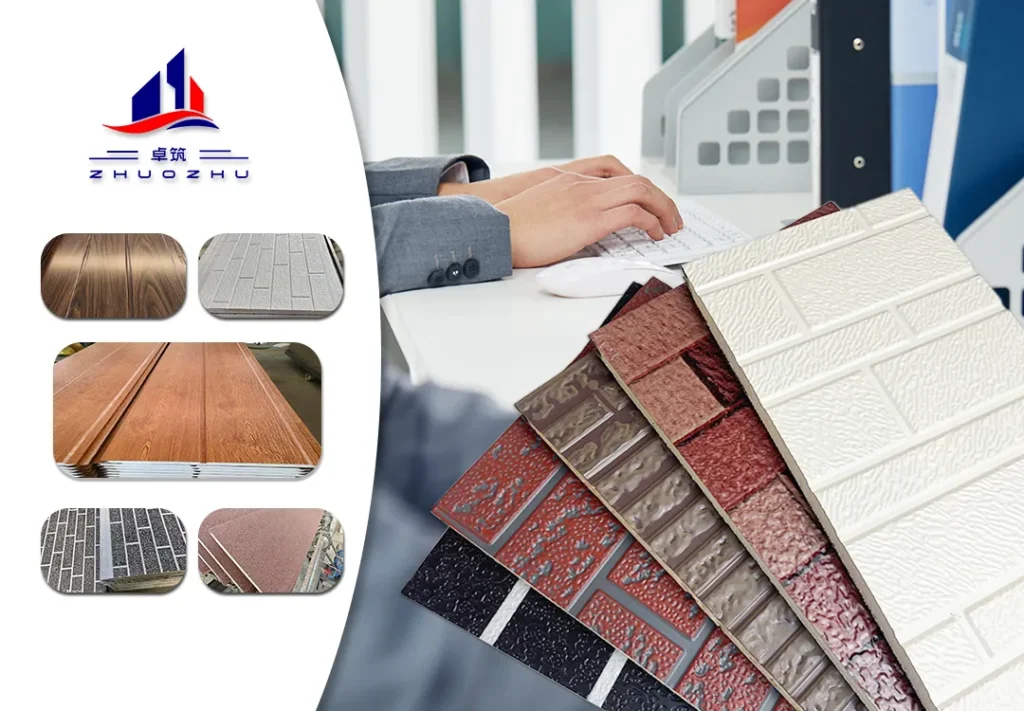
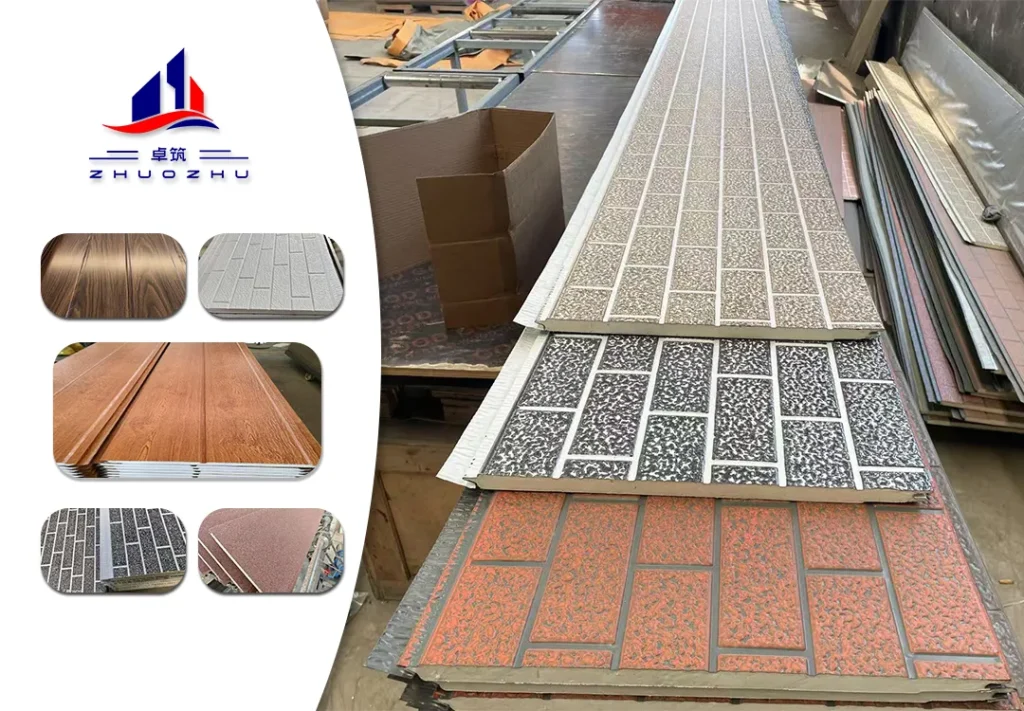
But real brick is slow, expensive, and labor-intensive. That’s why brick patterned metal carved panels have become the go-to alternative for smart contractors and distributors in markets like the UK, Australia, Ireland, Germany, and the northeastern United States.
This article explains why adding brick patterned metal siding panels to your product lineup is a low-risk, high-reward decision — and how to position them for maximum sales.
The Cultural Factor: Why Brick Sells Better in Some Regions
Before talking about product features, let’s talk about buyer psychology.
In many countries, real brick exterior walls are associated with:
-
Permanence – Brick homes feel “built to last”
-
Resale value – Buyers pay more for brick facades
-
Neighborhood conformity – Many subdivisions require brick
-
Lower insurance – Brick is fire-resistant and durable
However, the cost of real brick has risen dramatically. Skilled masons are in short supply. Construction timelines have stretched. And modern energy codes demand insulation that brick alone cannot provide.
This gap between desire for brick and feasibility of brick is exactly where brick patterned metal carved panels win. You’re not asking customers to try something unfamiliar. You’re giving them what they already want — but faster, cheaper, and better.
What Makes Brick Patterned Metal Carved Panels Different from Wood Grain?
Since you already offer wood grain, here’s how brick pattern complements — rather than competes with — your existing line.
For distributors, stocking both means you never lose a sale because a customer prefers one look over the other.
6 Unique Selling Points of Brick Patterned Metal Carved Panels
1. Mortar Line Realism That Closes Deals
The difference between a cheap brick pattern and a premium one is the mortar line. Cheap products look like stamped metal. Premium brick patterned metal insulation panels feature deep embossing that creates distinct brick shapes, realistic mortar lines, and even subtle color variations between “bricks.”
When a homeowner or builder runs their hand across the panel, they feel the texture. When they step back, they see a convincing brick facade. That realism is what justifies the premium price and drives sales.
2. No Structural Reinforcement Needed
Real brick is heavy. A single square meter of brick veneer can weigh over 200 kg. That often requires reinforced foundations, steel lintels over windows, and beefed-up wall framing.
Brick patterned metal siding panels weigh a fraction of that. They install directly onto standard wood or metal framing without any structural upgrades. For renovation projects — especially older homes — this is a game-changer. It means brick look without the engineering costs.
3. Built-In Insulation Meets Modern Energy Codes
Energy codes are getting stricter everywhere. Real brick alone doesn’t meet them. Builders using real brick must add separate insulation layers, increasing cost and complexity.
Decorative insulation panels with brick pattern have the polyurethane core built in. One product, one installation step, and full compliance with thermal requirements. For contractors, that means fewer material orders and simpler project management.
4. Faster Permitting and Inspections
This is an underappreciated advantage. In many jurisdictions, real brick exterior walls require multiple inspections: footing inspection, wall tie inspection, mortar cure inspection, and final veneer inspection.
Metal carved panels are a cladding system, not structural masonry. Inspections are typically simpler and faster. For contractors, that means fewer delays and getting to the next job sooner.
5. Consistent Color Across Large Projects
Real brick has natural variation — which can be charming or problematic. On large developments, matching brick batches is difficult. Color differences between pallets are common.
Brick patterned metal insulation panels are manufactured under controlled conditions. Every panel matches. For developers building townhouse communities or apartment buildings, this consistency is a major selling point. No “bad batches,” no returns, no rework.
6. Renovation-Friendly for Historic Areas
Many historic districts require brick exteriors to maintain neighborhood character. But old buildings often cannot support the weight of real brick veneer. Their walls are too weak, their foundations too shallow.
Brick patterned metal siding panels solve this. They provide the mandated brick appearance without overloading the existing structure. For contractors specializing in historic renovations, this product opens up projects that were previously impossible to bid on.
Regional Deep Dive: Where Brick Pattern Sells Best
Understanding your local market helps you stock the right products. Here’s a quick overview of brick-preferring regions.
United Kingdom
-
Preference: Extremely high. Brick is the default exterior for most homes.
-
Pain point: Mason shortages and long lead times.
-
Sales angle: “Get the brick look without waiting weeks for bricklayers.”
Australia
-
Preference: Very high, especially in eastern states.
-
Pain point: High labor costs and bushfire regulations.
-
Sales angle: “Brick look that meets BAL ratings and installs faster.”
Germany
-
Preference: Moderate to high, especially for single-family homes.
-
Pain point: Strict energy codes (EnEV).
-
Sales angle: “Built-in insulation meets current standards in one product.”
Northeastern United States
-
Preference: High in older suburbs and historic districts.
-
Pain point: Freeze-thaw cycles damage real brick over time.
-
Sales angle: “No spalling, no cracking — handles winter better than real brick.”
Ireland
-
Preference: Very high. Brick and block construction dominate.
-
Pain point: Dampness and mold in older brick homes.
-
Sales angle: “Moisture-proof brick look that stays dry.”
If you operate in any of these regions, brick patterned metal carved panels are not an optional product — they’re a necessary addition to your catalog.
How to Position Brick Pattern Against Real Brick (Without Bashing Real Brick)
You don’t need to say real brick is bad. Just state facts.
Let the comparison speak for itself. Most customers will choose the faster, lighter, better-insulated option once they see the facts.
Who Is the Ideal Buyer? (Target Customer Profiles)
As a distributor or contractor, focus your sales efforts on these segments.
Segment 1: Subdivision Developers
-
Need: Consistent, fast, code-compliant cladding for 10–100+ units
-
Pain: Real brick slows down their schedule and eats margins
-
Your pitch: “Every house gets the same perfect brick look. No batch variation. No mason delays. Built-in insulation passes energy inspections automatically.”
Segment 2: Renovation Contractors
-
Need: Lightweight cladding that works on old, weak walls
-
Pain: Older homes can’t support real brick veneer
-
Your pitch: “Give your client the brick look without structural reinforcement. Installs right over existing siding.”
Segment 3: Homeowners in Brick-Preferred Neighborhoods
-
Need: Brick appearance that matches surrounding homes
-
Pain: Real brick bids came in too high
-
Your pitch: “Same look as your neighbors’ homes. Installed faster. Costs less. No maintenance.”
Segment 4: Architects Specifying for Historic Districts
-
Need: Brick appearance that meets preservation rules
-
Pain: Real brick would overload old structures
-
Your pitch: “Meets the visual requirement. Works within structural limits. Faster installation means lower construction loan interest.”
Inventory and Logistics: What Distributors Need to Know
If you’re a distributor, here’s practical advice for stocking brick patterned metal carved panels.
Fast-moving SKUs: Red brick, warm gray brick, antique brick (varies by region)
Slow-moving SKUs: Unusual colors like white brick or blue brick (keep low stock, offer special order)
Storage: Stack flat on pallets in dry warehouse. No climate control needed.
Shipping: Lightweight means lower freight costs per square meter compared to real brick or fiber cement.
Turnover expectation: In brick-preferring markets, expect 3–6 turns per year for popular colors.
Common Objections and How to Handle Them
Objection: “It doesn’t look like real brick up close.”
Response: “Premium embossed panels have deep texture and mortar lines. From normal viewing distance — a few feet back — it’s extremely difficult to tell the difference. And you get none of the maintenance problems.”
Objection: “I’ve seen fake brick that looks cheap.”
Response: “You’re right — low-quality products exist. That’s why we stock premium brick patterned metal insulation panels with deep embossing and UV-stable coatings. Not all brick panels are the same.”
Objection: “My buyers only want real brick.”
Response (to builder/developer): “Ask your buyers if they’d rather wait an extra three weeks and pay more. Most choose faster and cheaper when the look is nearly identical.”
Objection: “What about fire?”
Response: “Metal surface is non-combustible. The polyurethane core can be fire-retardant. These panels meet the same fire codes as other approved cladding systems.”
Brick Pattern Belongs in Your Product Mix
If you already sell wood grain metal insulation panels, adding brick patterned metal carved panels is a natural expansion. You capture customers who prefer traditional brick over natural wood — without changing your supply chain, installation training, or marketing approach.
For distributors: Stock brick pattern in your best-selling region-specific colors. Watch turnover increase.
For contractors: Add brick pattern to your portfolio. Bid on more projects — especially renovations and developments — with a product that installs faster than real brick and satisfies buyer expectations.
The brick-loving market is large, proven, and underserved by modern alternatives. Be the supplier or contractor who fills that gap.
Ready to Stock Brick Patterned Metal Carved Panels?
Contact our team for:
-
Regional color recommendations (UK, Australia, Germany, US, etc.)
-
Wholesale pricing and case quantity discounts
-
Sample panels for your showroom
-
Technical documentation for building inspectors